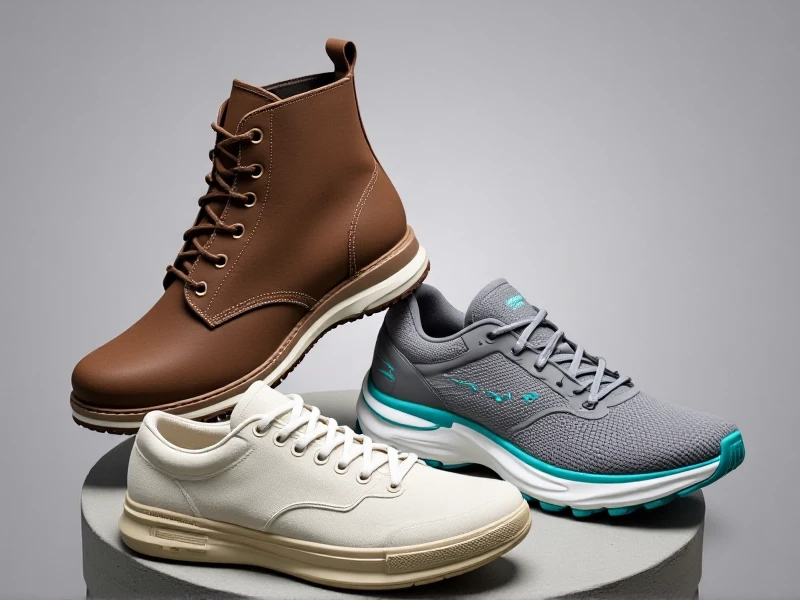
The Ultimate Sports Shoes Guide: Find Your Perfect Performance Pair
Here is a professional 400-word SEO article focused on "Sports Shoes":
Choosing the right sports shoes is fundamental to your performance, comfort, and injury prevention, whether you're a serious athlete or enjoy casual workouts. It's far more than just picking a popular brand or attractive style. The perfect sports shoe is engineered to match your activity, foot type, and personal gait mechanics.
Understanding the Core Functions:
Sports shoes are designed with specific purposes:
- Running Shoes: Prioritize cushioning and shock absorption for repetitive forward motion. Styles differ for road running (flexible, lighter cushioning) versus trail running (aggressive tread, stability features, rock plates).
- Basketball/Tennis Shoes: Focus on lateral support, ankle stability, and responsive cushioning for rapid side-to-side movements, cuts, and jumps.
- Training/Cross-Training Shoes: Aim for versatility with a balance of cushioning, stability, and flexibility to handle everything from HIIT workouts to weightlifting.
- Walking Shoes: Emphasize comfort, smooth heel-to-toe transition, and moderate support for sustained movement on various surfaces.
- Sports-Specific Shoes: (e.g., soccer cleats, track spikes) Feature specialized outsoles optimized for their terrain and movement patterns.
Key Considerations When Buying Sports Shoes:
- Your Primary Activity: Always match the shoe type to your main sport or exercise. Using running shoes for tennis, for example, significantly increases injury risk.
- Foot Type & Gait (Pronation): Do you have flat feet (overpronation), high arches (underpronation/supination), or neutral arches? Many stores offer gait analysis to help determine this crucial factor. Running stores are particularly adept at this. Choose shoes offering the necessary support (motion control for overpronators, neutral cushioning for neutral feet, flexibility for high arches).
- Proper Fit is Non-Negotiable:
- Length: There should be about a thumb's width (roughly 1.3cm/0.5 inches) of space between your longest toe and the shoe's end.
- Width: Your foot should feel secure without being pinched or squeezed across the widest part.
- Heel: Your heel should sit comfortably without excessive slipping.
- Try Them On: Always try on shoes later in the day when feet are slightly swollen, wearing the socks you typically use for sport.
Performance Technology Matters:
Modern sports shoes incorporate advanced materials and technologies:
- Cushioning Systems: EVA foam variations, specialized gels, air pockets, TPU inserts (like Nike Air, Adidas Boost, ASICS GEL, New Balance Fresh Foam) optimize shock absorption and energy return.
- Support Structures: Medial posts (denser foam on the inner edge), stability plates, reinforced heel counters control pronation and provide structural integrity.
- Outsoles: Durable rubber compounds tailored to different surfaces (e.g., harder rubber for road wear, softer/stickier for court grip). Tread patterns vary drastically for traction needs.
- Uppers: Engineered knits, meshes, and synthetics prioritize breathability, flexibility, and targeted lockdown to keep your foot secure.
Rotation & Replacement:
Don't wear the same pair of sports shoes for every activity. Consider rotating shoes, especially if you run daily. Monitor the midsole compression and outsole tread wear. General wisdom suggests replacing running shoes every 300-500 miles, but listen to your body – if you feel decreased support or aches in your legs or feet, it's likely time for a new pair.
Conclusion:
Investing time in finding the right sports shoes pays dividends in performance, comfort, and longevity in your chosen activities. Forget the hype; focus on fit, function for your sport, support for your gait, and the features that deliver the necessary comfort and protection your feet deserve. Consult experts at specialty stores to get properly fitted and take that important step towards better training or competition.